
fascial maneuver coach
Fascial Maneuvers are a structured movement-based approach designed to support the functional health of the body’s fascial system. Fascia is a continuous connective tissue network that surrounds and integrates muscles, organs, nerves, and other structures, contributing to posture, mobility, and biomechanical efficiency (Aligned and balanced movement, moving with ease and efficiency and without strains and pains)
This method uses controlled, intentional movements to encourage improved tissue glide, neuromuscular coordination, and circulation. The objective is to reduce areas of restriction within the fascial system and support more balanced physical function.
By working with the body through gentle, progressive movement patterns, this approach aims to enhance overall mobility, support nervous system regulation, and promote improved physical comfort and resilience.
Emotions and internal stress patterns can play a significant role in how the body holds tension and expresses physical discomfort. The fascial system is highly responsive to both physical and emotional stress, often adapting by tightening or creating protective patterns in response to long-term strain, overwhelm, or unresolved experiences. Over time, these patterns can contribute to areas of restriction, reduced mobility, and chronic tension in the body.
Fascial bodywork supports not only the physical tissues but also the body’s overall regulation system by encouraging a shift out of chronic protective holding patterns. As the body begins to feel safer and more supported through gentle, intentional touch and movement, it may gradually release stored tension. Many individuals experience this as both a physical and emotional unwinding, often accompanied by a greater sense of ease, grounding, and internal clarity.
For a deeper and more integrated approach to self-healing, fascial work and non-surgical deep tissue bodywork can be combined with other supportive modalities to help create space for release on both a physical and emotional level. This integrative approach works by addressing areas of restriction in the body while also supporting the nervous system’s capacity to unwind long-held tension patterns.
When combined with complementary practices, this work may help support a more complete sense of alignment, allowing the body to move out of chronic holding patterns associated with pain, stress, and emotional load. By working across multiple layers—structural, fascial, and regulatory—the body is given the opportunity to gradually restore balance, ease, and flow.
This layered process is not about forcing release, but rather creating the conditions in which the body can naturally reorganize, soften, and restore balance at its own pace.
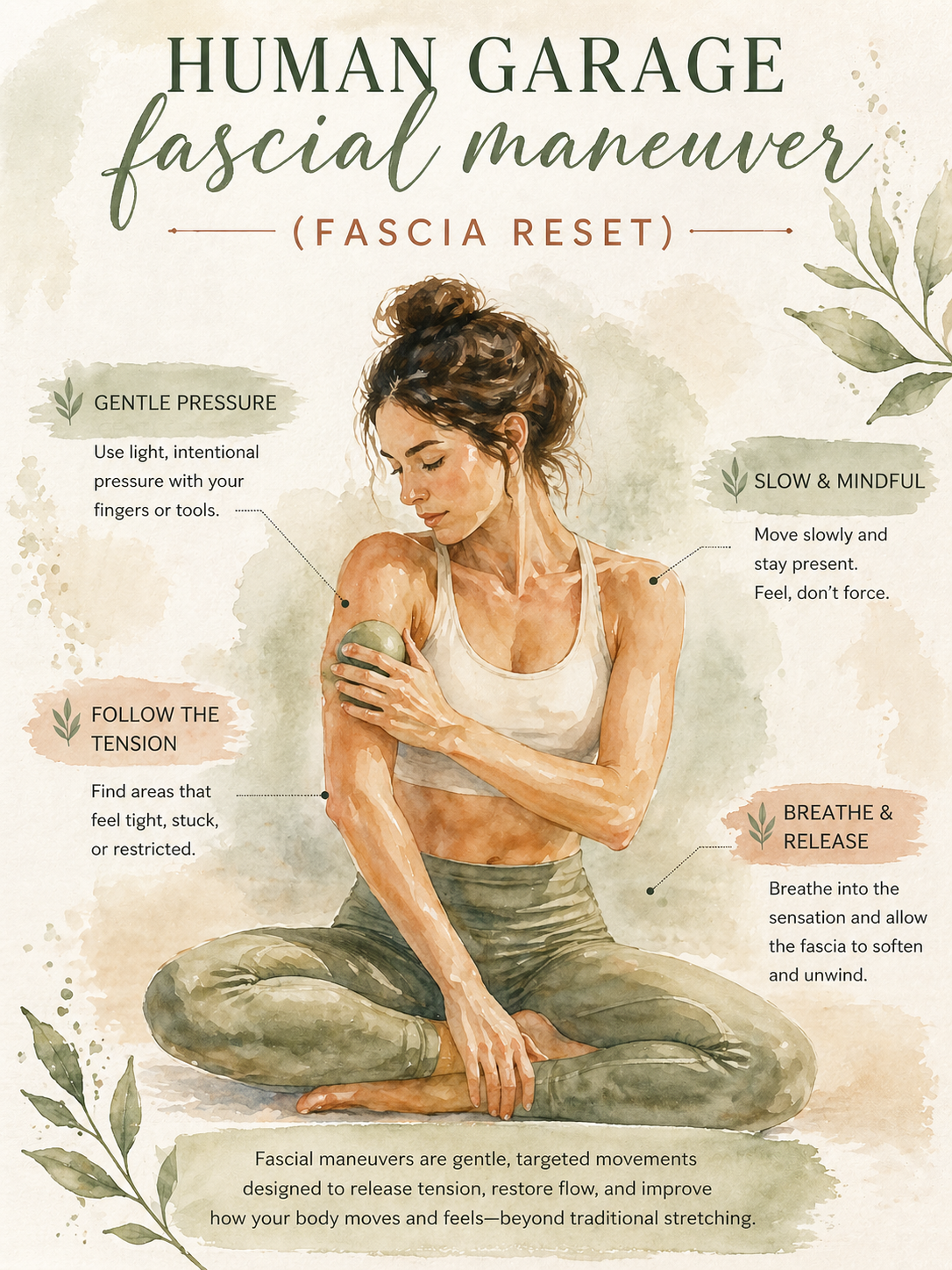
Understanding the Fascial System
The fascial system is a continuous web-like network of connective tissue that extends throughout the entire body. It surrounds and connects muscles, bones, organs and nerves, helping to support posture, movement, and the distribution of physical tension.
For a long time, fascia were thought to be little more than the body’s internal wrapping—simply holding muscles, organs, and tissues in place. As research continues to evolve, we now understand that fascia play a much deeper and more essential role in overall health, movement, and healing.
Fascia are living, responsive connective tissues involved in many of the body’s most important functions:
• Force transmission – Fascia help distribute and transfer the forces created by muscles, allowing the body to move as an integrated whole rather than as isolated parts.
• Cellular communication – They create an ideal environment for cells to communicate, supporting the exchange of oxygen, nutrients, hydration, and biochemical signals throughout the body.
• Mobility and flexibility – Healthy, hydrated fascia allow tissues to glide smoothly, supporting freedom of movement, joint mobility, elasticity, and coordinated motion.
• Detoxification and immune support – Fascia are intimately connected with the lymphatic system, helping move stagnant fluid, clear metabolic waste, and support the body’s natural detoxification and immune processes.
• Structural integrity and adaptability – Fascia provide continuous support throughout the body while adapting to movement, posture, stress, injury, and recovery.
The more we learn about fascia, the clearer it becomes: this remarkable tissue isn’t simply holding us together… it’s helping us function, heal, communicate, and thrive.
How Fascial Restrictions Affect Movement and Comfort
When fascia becomes restricted due to stress, injury, repetitive movement, inflammation, or surgical intervention, it can influence how the body moves and feels. These restrictions may contribute to stiffness, reduced flexibility, altered movement patterns, and areas of compensation throughout the body.
Over time, this can affect overall comfort, mobility, and how efficiently the body functions during daily activities or physical performance.
Conditions and Patterns That May Benefit from Fascial Work
Fascial-based movement practices may offer supportive benefits for individuals experiencing tension, restricted mobility,
inflammation or recovery-related limitations.
This approach may be particularly supportive for those dealing with:
Chronic neck, back, or shoulder tension
Sciatica or nerve-related discomfort patterns
Fibromyalgia-type widespread muscular pain
Lipedema and lymphedema (swelling of the legs and arms)
Joint stiffness or reduced range of motion
Postural imbalances
Repetitive strain injuries (RSI)
Post-surgical tension or scar tissue restriction
Post-C-section abdominal tightness and core restriction
Headaches associated with muscular tension
General stress-related muscular tightness
Fascia and the Body’s Circulatory Support Systems
Fascia is closely interconnected with the lymphatic system, which depends on movement, breathing, and tissue mobility to support fluid circulation throughout the body. When fascial restrictions are present, this natural flow may become less efficient, sometimes contributing to sensations of heaviness, stiffness, or delayed recovery.
Gentle movement practices may help support:
Improved tissue hydration and mobility
Enhanced fluid exchange and circulation
A sense of lightness and reduced stagnation
More efficient recovery after physical or emotional stress
What Fascial Maneuvers Are Designed to Support
Fascial Maneuvers are intentional, low-impact movement patterns designed to enhance coordination, joint mobility, and tissue adaptability. They also support the nervous system, which plays a central role in how the body responds to stress, load, and physical demand.
Why This Work Supports Every Body
This practice is not limited to pain management or rehabilitation. It is also highly beneficial as a complement to fitness, yoga, and athletic training programs. Whether someone is highly active or relatively sedentary, improving fascial mobility can support more efficient movement, better posture, and improved physical awareness.
Commonly Reported Experiences
With consistent practice, many individuals notice:
Easier, more fluid movement patterns
Reduced muscular tightness and stiffness
Improved flexibility and coordination
Greater body awareness and control
Less unconscious muscular “bracing”
A stronger connection between mind and body
An overall sense of ease and balance
These changes are often associated with improved movement efficiency, enhanced proprioception (body awareness), and reduced unnecessary tension patterns.
Invitation to Begin Your Practice
If you are looking to improve how your body moves, feels, and functions, fascial-based movement work can be a valuable addition to your wellness routine.
This approach is designed to meet the body where it is—supporting gradual, sustainable change through awareness, mobility, and intentional movement.
One on one Fascia Release Maneuvers $180
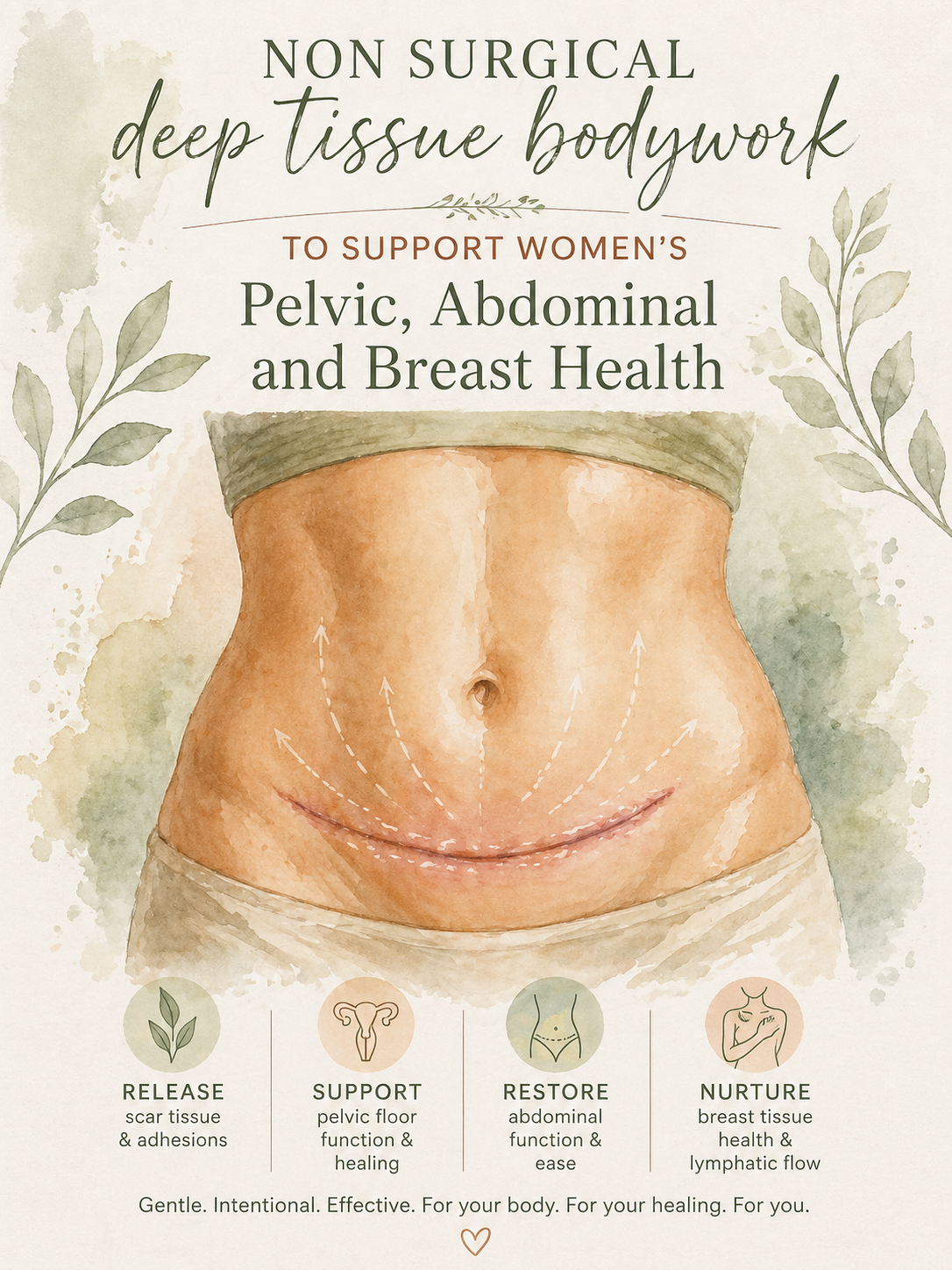
Women’s Pelvic, Abdominal & Fascial Health
with Advanced Manual & Restorative Soft Tissue Therapy
When combined with Fascial Maneuvers, this hands-on approach offers a more integrated support system
—working both passively (through manual therapy) and actively (through movement).
Together, these modalities aim to enhance:
tissue adaptability
support nervous system regulation,
improve overall movement efficiency
body awareness
Possibility of avoiding future surgery
(Non-Surgical Deep Tissue Bodywork)
In addition to fascial movement work, Bianca Morello also specializes in non-surgical deep tissue bodywork
designed to complement and enhance fascial mobility.
This hands-on approach focuses on working with deeper layers of soft tissue to support release of restrictions,
improve circulation, and encourage healthier tissue function.
This modality can be particularly supportive for women experiencing post-surgical or structural changes in the body, including:
Post-Cesarean (C-Section) Pelvic & Abdominal Health Support & Recovery
The abdominal and pelvic regions are deeply affected by surgical history, stress patterns, and fascial restriction.
Gentle manual therapy may be supportive for:
Post-Cesarean (C-section) scar tissue restriction and abdominal tightness
Digestive discomfort related to abdominal tension patterns
Core disconnect or reduced abdominal awareness
Fascial adhesions influencing movement and comfort
This work focuses on improving tissue mobility, circulation, and ease within the abdominal region to support functional comfort and reconnection.
C-section surgery can leave layers of scar tissue that affect abdominal mobility, core engagement, and sensation in the surrounding tissues. Gentle deep tissue work may help support improved tissue pliability, reduce localized tightness, and enhance awareness and connection in the abdominal area. Some individuals also report improvements in digestive comfort due to reduced fascial restriction in the abdominal region.
Digestive Discomfort Related to Abdominal Restriction
When tension or adhesions are present in the abdominal fascia, it may influence how comfortably the digestive system moves and functions. Manual therapy may support improved tissue mobility in this region, contributing to a greater sense of ease and reduced tension patterns in the abdomen.
Breast Tissue, Upper Body & Lymphatic Support
The upper body plays a key role in lymphatic flow and postural balance. Gentle manual therapy may support:
Breast tissue congestion or postural strain in the chest and shoulders
Upper body fascial restriction affecting mobility and comfort
Lymphatic stagnation patterns contributing to heaviness or tension
General upper body tightness related to stress or posture
Scar tissue, postural strain, or fascial restrictions in the chest and upper body can affect comfort, mobility, and lymphatic flow in surrounding tissues. Gentle manual techniques may support improved circulation, reduced tension across the chest and shoulders, and enhanced postural balance in the upper body.
The focus is on supporting fluid movement, soft tissue release, and improved comfort throughout the upper torso.
Lipedema Support (Soft Tissue Comfort and Mobility)
For women living with lipedema, fascial and soft tissue work may offer supportive benefits aimed at improving comfort, mobility, and overall tissue ease. This approach is not a treatment for lipedema, but may assist in supporting healthier movement and sensation within affected areas.
This work may help support:
Improved tissue softness and mobility
Enhanced circulatory and lymphatic flow support
Reduction of feelings of heaviness, tightness, and tension in the legs and body
Support for swelling-related discomfort and fluid stagnation patterns
Improved ease and comfort in daily movement
Through gentle, intentional fascial and deep tissue techniques, this approach may assist in reducing areas of restriction within the soft tissue system. Many individuals report a greater sense of lightness, improved comfort, and increased ease of movement in affected areas over time.
Our session will be
-
Personalized
Our initial sessions will be dedicated to assessing your current wellness and creating a personalized plan to fit your unique needs and goals.
-
Targeted
Everyone has pain points when it comes to achieving full body wellness. I’ll work closely with you to help identify and overcome your triggers.
-
Integrative
Since achieving wellness is more than just exercise and diet, I’ll be guiding you toward other helpful practices that integrate naturopathy with other modalities such as mind body connection & inner child healing through somatic therapy and coaching, non surgical deep tissue bodywork, sound healing, energy healing, and more.
-
Individual or Group
you can choose a personalized and integrative individual session or join me for a group fascial maneuver class at either of the Hudson, Saint-Lazare, Vaudreuil-Dorion or Beaconsfield studio locations